


Tourist attractions in Baia Mare
Description of Baia Mare
-documentary attested in 1329 under the name Rivulus Dominarum (Ladies' river)
-Baia Mare painting school - founded in 1896 by Hollosy Simon is the only painting school in Romania continuously running since its creation
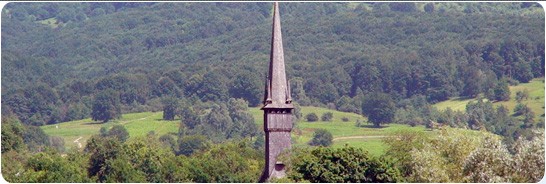
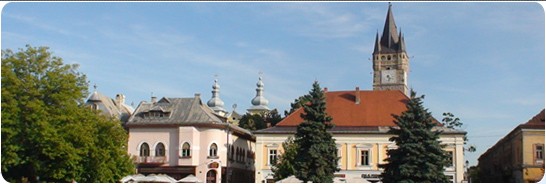
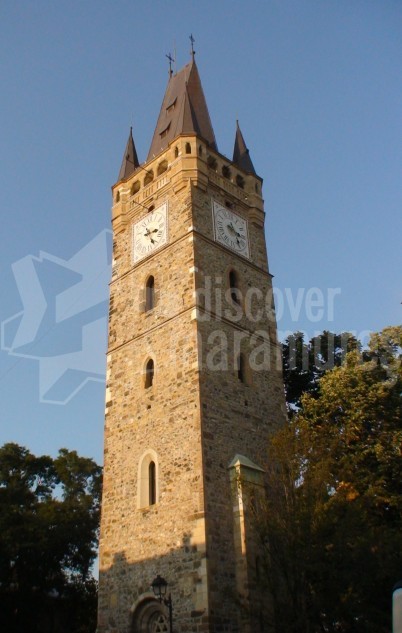
-Stephen Tower, standing more than 45 m (147 Ft) tall, was errected between 1446-1468 and was part of the former St. Stephen cathedal. The latter was built between 1347 and 1387 and during its existence was affected several times by lightning fires. After the last one, in 1769, the cathedral was no longer refurbished and the walls' stone were used for other constructions in town.
-Butcher's Tower (or The Ammunition Tower) - errected in the XIV-XV century, it is the last to stand from the seven medieval towers part of the Baia Mare defence wall. The legend has it that it was from Butcher's Tower that the bullet which killed Pintea the brave, a local famous outlaw, was shot. Address: near Piata Izvoarelor (the vegetable market).

-the Old Centre (P-ta Libertatii), it was here that the weekly fair/market was organised until the modernisation of the town. In the Old Centre tourists can see more that twenty of Baia Mare's oldest buildings dating since XV-XIX century.
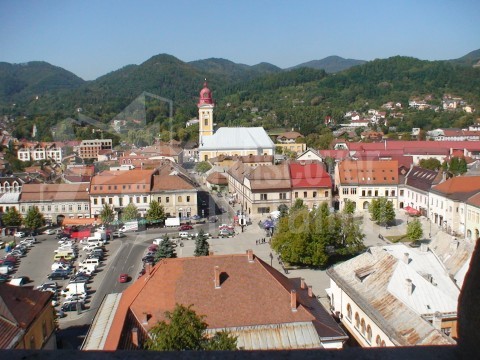
-Elisabeth House - it is said that the building (started in 1446) was errected by Iancu de Hunedoara for his wife, Elisabeth, the mother of Matei Corvin. At present the building cannot be visited due to its bad shape. Address: Piaţa Libertăţii, nr. 18.
-Vulturul Negru (Black Eagle) Inn - built in XVIII century, it was used initially for lodging later one becoming Town Hall and Court. It is here that the hungarian poet Petofi Sandor was accommodated during his honeymoon trip to Coltau. Address: Str. Lucaciu Vasile, nr. 2
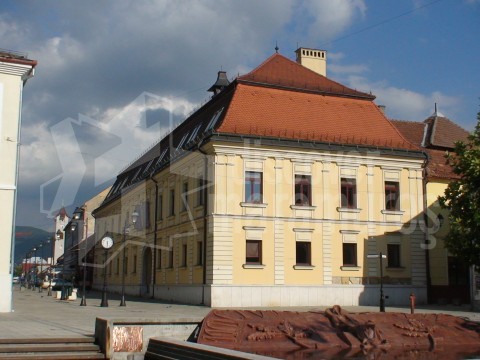
-Lendvay Marton house – in this XVI century building the actor Lendvay Marton was born in 1807. Address: Piaţa Libertăţii, nr. 15
-the former Minorite Monastery - errected in 1734, the building was added a first floor in 1741. Address: Piaţa Libertăţii, nr. 6
-the building where Schola Rivulina, the first superior school in Baia Mare, functioned between 1547-1755. Address: P-ta Libertatii, nr. 4
-on the streets surrounding the Old Centre tourists can find other interesting and historically important buildings:
-the former office of the Mines' administration - now hosts the Hystory and Archaeology Museum. Address: Str. Monetariei, nr. 1-3
-the former office of the Salt mines' administration – errected in 1748, the building also served as residence for a judge and nowadays hosts the Art Museum. Address, Str. 1 Mai, nr. 8
-the former town casino – built in 1834. Address: Str. Crişan 18 (tourist accommodation nowadays)
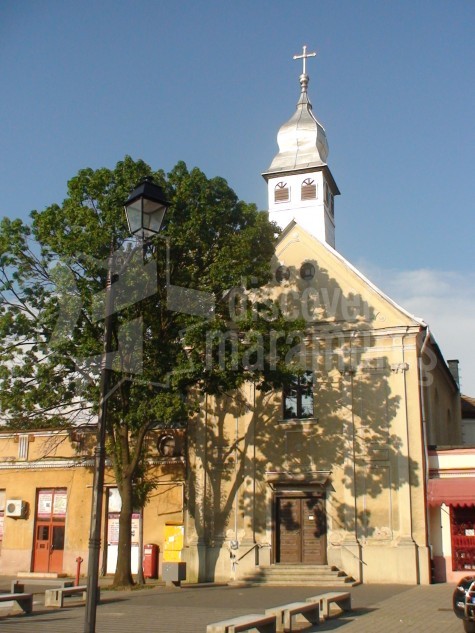
-"Sf. Anton” church – the oldest church still standing in Baia Mare. Built in 1402 by the minorite order, the roman-catholic church was refurbished and suffered architectonic transformation during XIX century. Address: P-ta Pacii.
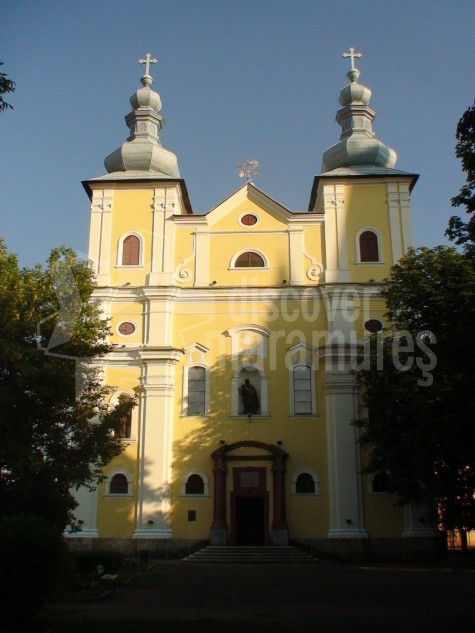
-The Holy Trinity - the roman-catholic cathedral was built in 1766 by Jesuits on the place of former St. Martin church. The cathedral holds an organ with three registers, built between 1940-1944. Address: Piaţa Cetăţii, nr. 1
-the reformed church (Luther) – built in 1912, the church holds an altar painted by Iványi Grünwald Béla, one of the most important representatives of the Baia Mare Painting School. Address: Str. Lucaciu Vasile, nr. 18.
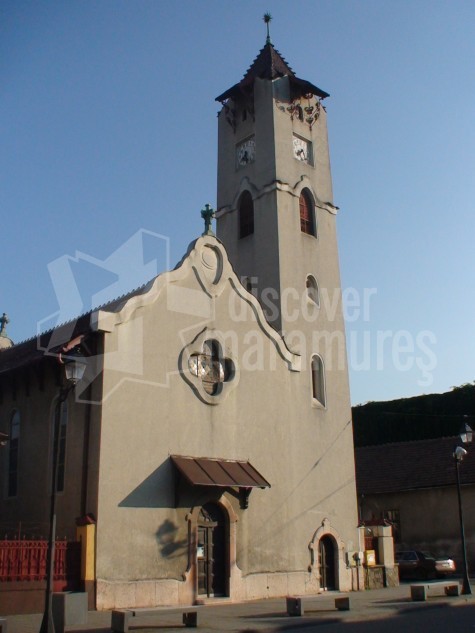
-the reformed church (Calvin) - built between 1792-1809. Address: Str. Podul Viilor, nr. 10
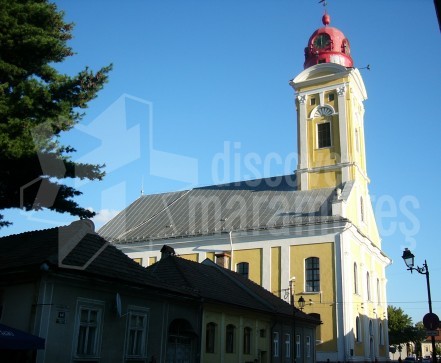
-the industrial tower - standing 351,5 m (1153 ft) high it is the tallest structure in Romania
-the St. Archangels Michael and Gabriel, built in 1824. Address: Firiza, Str. Firiza, nr. 99
-the chappel Rozalia – located in Horea graveyard it was built in 1771
-synagogue – errected in 1885. Address: Str. Somes, nr. 3
-Painter's colony – founded in 1900, it is diveded into workshops, exhibition hall and a lush vegetation park. Address: Str. Victoriei, nr. 21
-ZOO – founded in 1950. Address: Str. Petofi Sandor, nr. 28
-Theatre – Address: Str. Crisan, nr. 4
-The Chestnut Festival – the largest and most important event in Baia Mare takes place annually at the end of September. The name has direct connection with the large number of chestnut forests that grow arround Baia Mare.
Museums and memorial houses of Baia Mare
Muzeul Satului
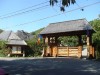
Situated across the street from the Etnography Museum, it displays authentic traditional wooden houses and technical installations from the four Maramures ethnographic areas. The museum holds a wooden church built in Chechis in 1630 and brought and exhibited here in 1939.
Muzeul de Istorie şi Arheologie
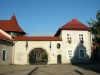
Opened in 1904 in the buildings of the former Baia Mare mint (coin factory), the museum holds various and valuable collections of seals/stamps, tools used by medieval guilds, weapons, wall-clocks, old cameras, ancient ceramics, mining tools, numismatics (coins, military medals), etc.
Muzeul de Mineralogie
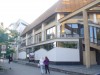
The most important mineralogy museum in Romania holds a vast and impressive inventory of minerals and gems extracted from the Maramures mines, many of them being rare or even unique in the world. The museum has recently opened a new wing where more minerals and gems out of the 16.000 held by the museum will be on display.
Muzeul de Etnografie şi Artă Populară

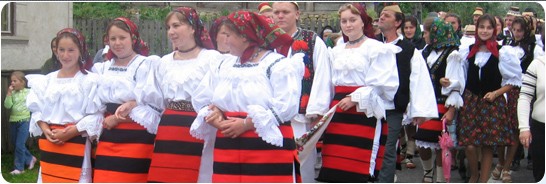
The museum has a permanent exhibition presenting traditional activities, crafts, costumes/clothing, tools and religious objects specific for all ethnographic areas of Maramures.
Muzeul de Artă
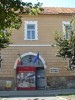
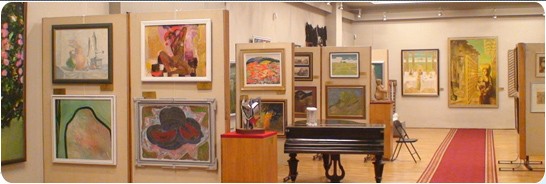
Hosted in an XVIII century building, the museum displays a rich and valuable permanent collection of paintings, sculptures and graphic art. Most of these are the creation of artists belonging to the well-known Baia Mare Painting School, artistic organisation that recently celebrated more than 110 years of activity. Besides the permanent collection, the museum organises temporary exhibitions from various artistic fields.
Planetariul
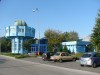
Unveiled in 1969, it is the first planetarium to be errected in Romania offering daily shows about stars, planets and astronomical phenomenon. Besides the scientific side, the Planetarium holds a valuable philatelic collection with more than 650 stamps from more than 65 countries. The collection is available for visiting only upon request.
Wooden churches of Baia Mare
Muzeul Satului
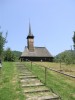
The church was built in Chechis in 1630 and was moved to the museum in 1939. The spire has four turrets meaning that the village of Chechis used to have and Old Men's Council. The passage between the pronaos and the nave (naos) is beautifully carved. There is no interior painting anymore but the church holds two imperial icons beautifully decorated, several valuable wooden and glass icons and few wooden crosses.
Traditional artisans of Baia Mare
Bledea Doina
Cocean Dumitru
Filip Vasile
Iuga Georgeta Maria
Ghiur Florica
Horodinca Maria
Koszegi Stefan
Paparuza Ana
Parvu Marinica
Roman Floare
Sitar Cornel
Turoczi Clara & Vasile
Natural reserves and protected areas of Baia Mare
Arboretul de castan comestibil
Coloanele de la Limpedea
Tăul lui Dumitru
Restaurants and bars in Baia Mare
Barbarossa
Restaurant Parc
» All restaurants and bars in Baia Mare
Accommodation in Baia Mare
Pensiunea Excelsior